
Premium
Zenxin Organic Park
A working organic farm open to visitors, with guided tours, a farm-to-table restaurant and a produce shop.
4.2Rated 4.2 out of 5 from 94 editorial assessmentsRMRMKluang Town

Kluang, Johor
Johor’s green heart — hills, kopi and the slow road.
Replace with a licensed photograph before launch
The places worth building a day around — hills, heritage and the odd surprise.
A working organic farm open to visitors, with guided tours, a farm-to-table restaurant and a produce shop.
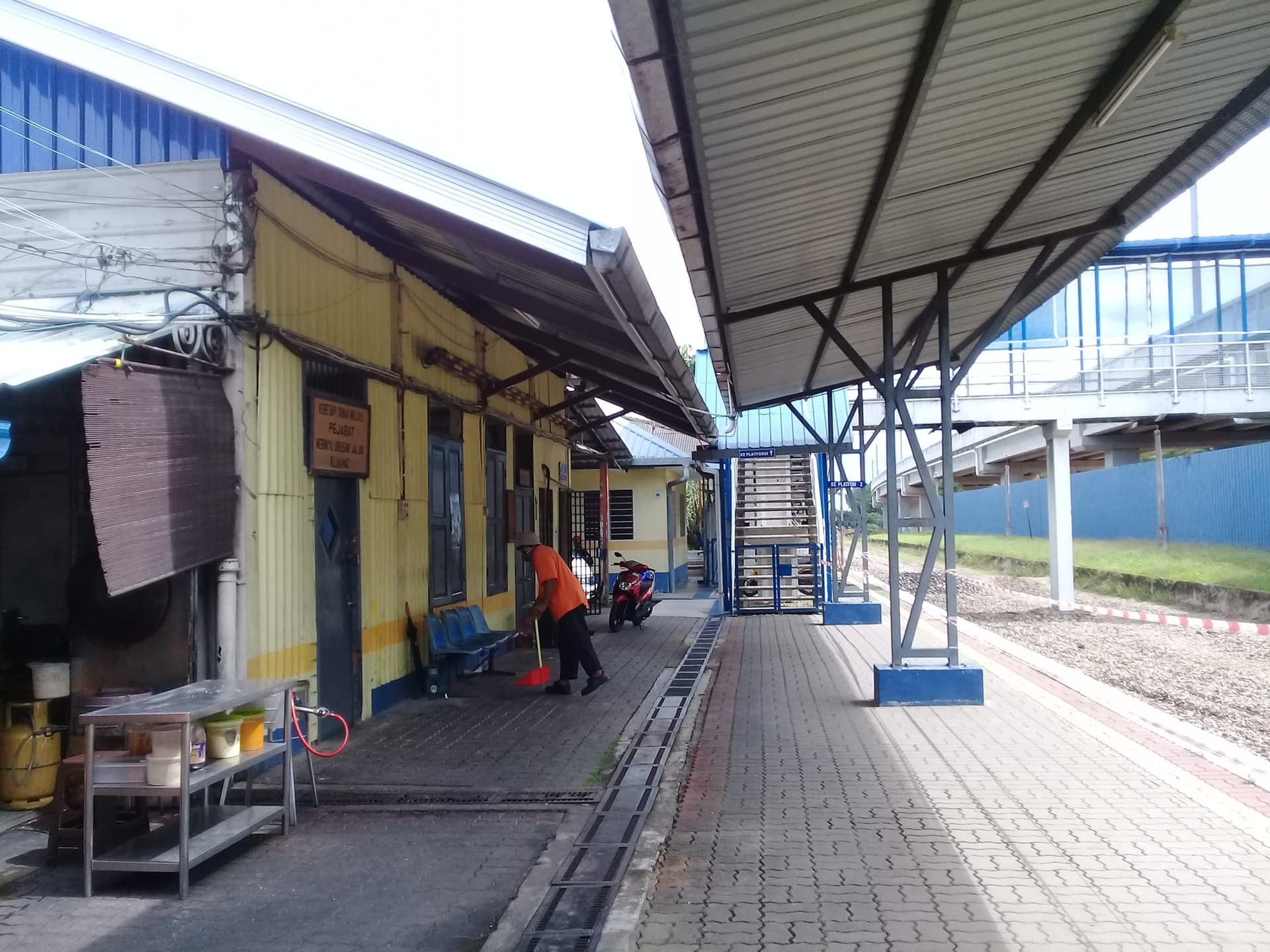
A working colonial-era station on the West Coast line, and the address of the kopitiam that made Kluang famous.
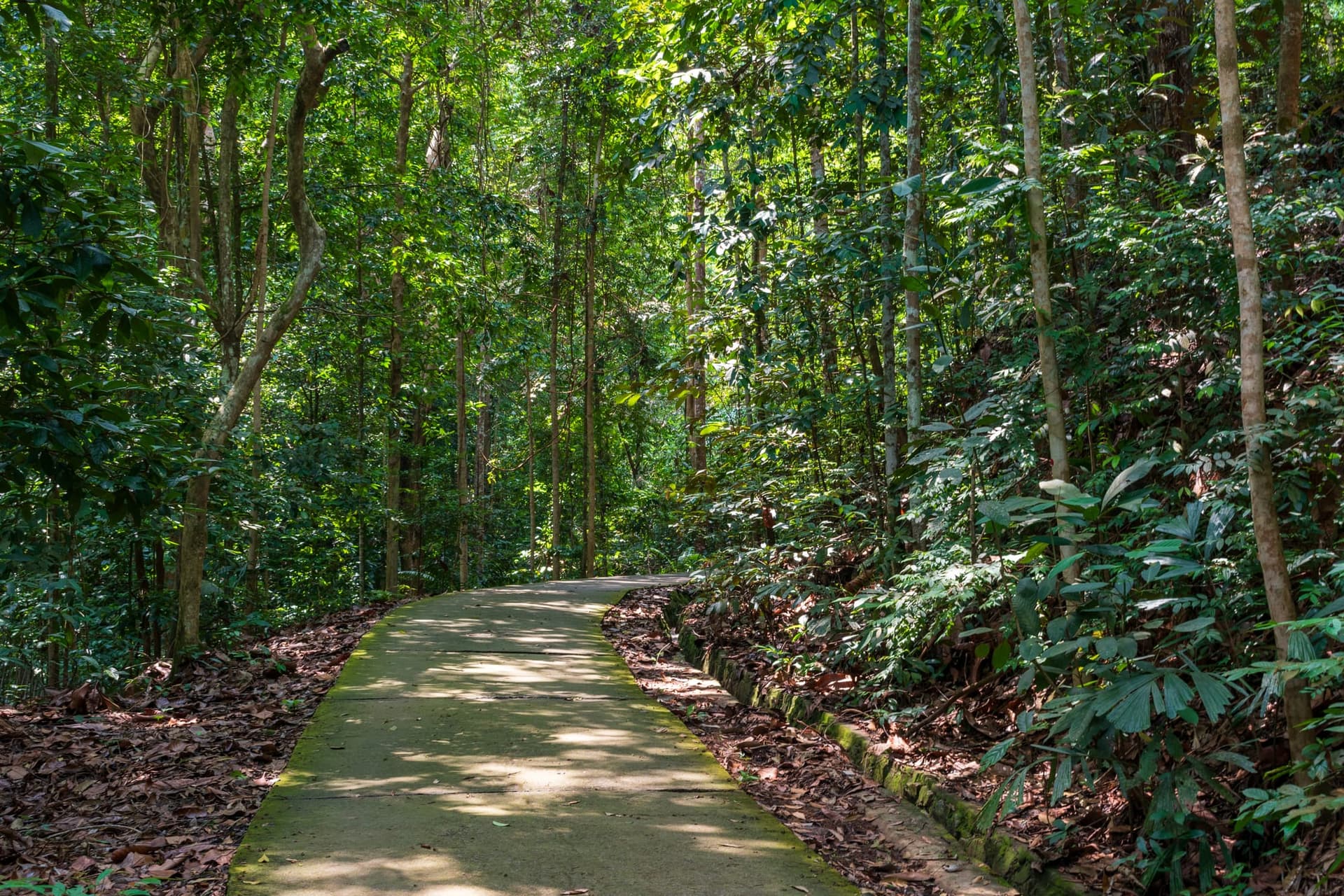
Kluang’s home mountain — a steep 510 m climb that locals treat as a morning routine, with a waterfall and picnic area at the base.
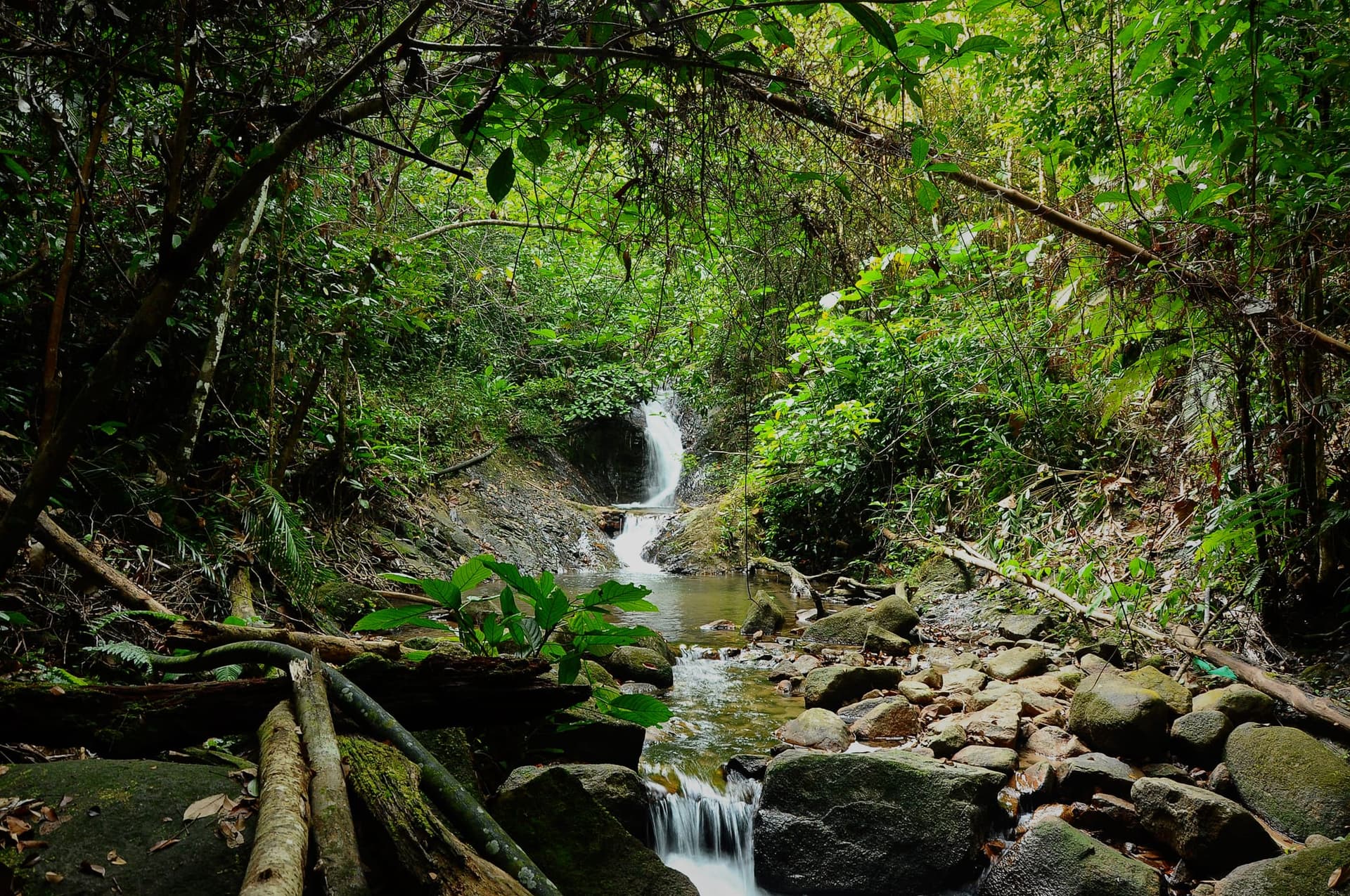
A serious forest-reserve hike about 40 minutes east of town, with river pools near the entrance for people who would rather not climb.
Paddy fields and an eco-farm stay out at Kahang, about 35 km east of Kluang town.

A cluster of long-established Chinese temples on the edge of the old town, busiest around lunar new year and the ninth-month festivals.
The town’s central green space — a jogging loop, playgrounds and the venue for most public events in Kluang.
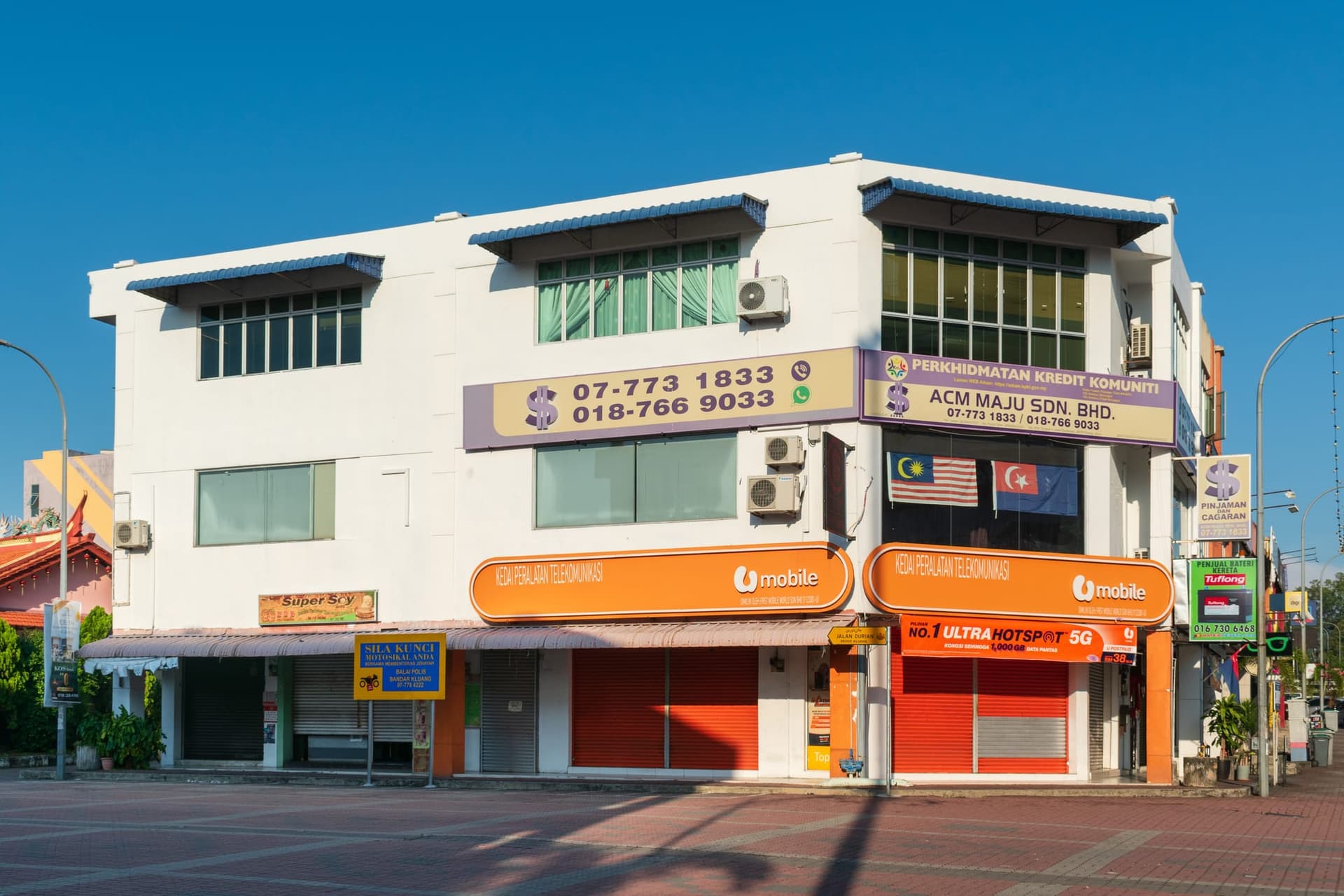
A self-guided loop through the pre-war shophouse blocks between the station, the padang and the old market.
Hawker stalls, kopitiams and the restaurants locals queue for.

Operating on the railway station platform since 1938 — the kopitiam that put Kluang on the map.

Peppery Johor-style bak kut teh, served from early morning until the pot runs out.
The district’s rotating night market — different neighbourhood each evening, same reliably good satay, apam balik and fruit.
Breakfast institution — charcoal-toasted kaya bread, half-boiled eggs and nasi lemak wrapped in banana leaf.
Single-origin pour-over, decent Wi-Fi and enough plug sockets to make it Kluang’s default laptop cafe.
Sourdough, kouign-amann and cold brew from a small bakery that sells out by mid-afternoon.
Where Kluang eats after 11pm — fried noodles, porridge and cold drinks under the shophouse awnings.
Big-table tze char out on the Kahang road — steamed fish, butter prawns and sweet-and-sour everything.
Hotels and homestays, compared on price and what is actually nearby.

Business-standard rooms five minutes’ walk from the railway station, with parking and breakfast included.
Out-of-town rooms and chalets with grounds, a pool and easy access to the forest reserve.
A four-bedroom house near the Gunung Lambak trailhead, sleeping up to twelve.
A traditional wooden kampung house south of town, with fruit trees and a very quiet night.
Clean, cheap and central — a straightforward overnight stop with no pretensions.
A two-bedroom apartment walking distance from Kluang Mall, good for longer stays.
Six rooms inside a restored pre-war shophouse, a block from the old market.
The places most visitors drive straight past.
Cafe
Sourdough, kouign-amann and cold brew from a small bakery that sells out by mid-afternoon.
Attraction
A serious forest-reserve hike about 40 minutes east of town, with river pools near the entrance for people who would rather not climb.
Restaurant
Where Kluang eats after 11pm — fried noodles, porridge and cold drinks under the shophouse awnings.
Attraction
Paddy fields and an eco-farm stay out at Kahang, about 35 km east of Kluang town.
Long-form guides to Kluang, written locally.
The town’s name comes from "keluang", the old Malay word for flying fox — and the municipal emblem has never let anyone forget it.
Lokaly Editorial · 20 July 2026
One is a 90-minute morning workout you can do before breakfast. The other is a full day with a ranger register. Choosing between them.
Lokaly Editorial · 20 July 2026
Kluang sits almost exactly in the middle of Johor. Here is what each way of arriving actually costs you in time.
Lokaly Editorial · 20 July 2026
Margarine, sugar and a very hot drum. Why traditional Malaysian kopi tastes nothing like the beans in your supermarket.
Lokaly Editorial · 20 July 2026
Local businesses supporting this guide.
Operating on the railway station platform since 1938 — the kopitiam that put Kluang on the map.
Business-standard rooms five minutes’ walk from the railway station, with parking and breakfast included.
A working organic farm open to visitors, with guided tours, a farm-to-table restaurant and a produce shop.
Peppery Johor-style bak kut teh, served from early morning until the pot runs out.

Self-drive rentals from the town centre — useful if you arrive by train and want to reach the forest reserves.
A working colonial-era station on the West Coast line, and the address of the kopitiam that made Kluang famous.
Kluang’s home mountain — a steep 510 m climb that locals treat as a morning routine, with a waterfall and picnic area at the base.
The district’s rotating night market — different neighbourhood each evening, same reliably good satay, apam balik and fruit.
Featured and Premium listings are paid placements, and are labelled as such. How this works
New places, upcoming events and the occasional thing we think you’d otherwise miss. No more than one email a month, and easy to leave.
We only use your address for this newsletter.
We publish the guide that visitors and residents actually read. A Featured or Premium listing puts your business in front of them at the moment they are deciding where to eat, stay or shop.